Unlocking Layered Reward Chains: How Portable Device Spins Transition Players Into Live Roulette and Blackjack Tables
Carlo Zimmermann · Jul 19, 2026

Unlocking Layered Reward Chains: How Portable Device Spins Transition Players Into Live Roulette and Blackjack Tables
Portable platforms have developed structured reward systems that connect automated reel spins directly to live dealer sessions, and observers note these layered chains operate through sequenced incentives that encourage users to move between game types without abrupt shifts. Data from multiple jurisdictions shows participation rates in such transitions increased notably during the first half of 2026, with July 2026 figures revealing sustained engagement patterns across handheld applications.
Mechanics Behind Sequential Incentives
Portable device applications typically initiate chains through entry-level spins on automated reels, after which accumulated credits or tokens unlock access to live dealer environments. Research indicates these progressions rely on predefined thresholds where completed spins generate eligibility markers that carry over into table game interfaces, and developers program these markers to align with specific titles like roulette or blackjack. According to reports from the New Jersey Division of Gaming Enforcement, such integrated pathways accounted for measurable portions of overall session activity in regulated markets through mid-2026.
Application interfaces present these progressions in visual sequences that guide users step by step, and the systems track spin outcomes to determine subsequent eligibility levels. Those who monitor platform analytics have observed that bonus structures often include multipliers or extended play credits that activate once users complete initial reel sessions and enter live environments. This creates continuous engagement loops without requiring separate deposits at each stage.
Role of Platform Architecture in Transitions
Backend systems on portable applications coordinate between automated and live segments by maintaining unified user accounts that carry progress across game categories. Software frameworks allow spins on reels to contribute toward live table access codes, and these codes appear in user dashboards as redeemable items once thresholds are met. Figures from industry monitoring groups show that platforms employing unified ledgers recorded higher retention across game types compared to those with separate tracking modules.
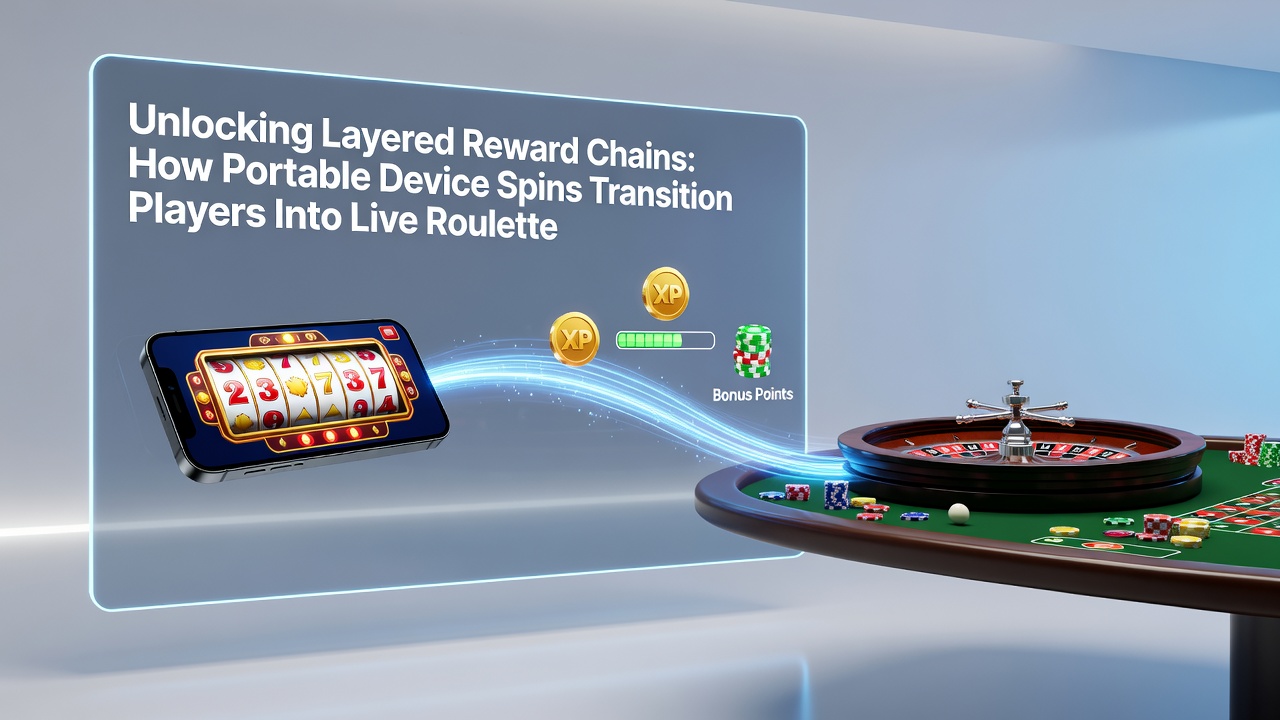
Live dealer modules integrate these chains by recognizing markers earned from reel activity, which then apply to table minimums or side bet options. Observers note that roulette and blackjack streams frequently feature dedicated sections where prior spin achievements reduce entry barriers or provide starting chip allocations. In July 2026 platform updates, several operators adjusted these integrations to accommodate increased live stream traffic, resulting in smoother handoffs between game modes.
Regional Patterns and Compliance Factors
Regulatory frameworks in different areas shape how these reward chains function, and operators adjust eligibility rules to meet local standards. The Malta Gaming Authority has documented protocols that require clear disclosure of transition terms, ensuring users understand how reel spins convert into live table access. Similar requirements appear in Canadian provincial oversight documents, where emphasis falls on transparent progression tracking to prevent confusion during shifts from automated to interactive play.
Market data compiled by academic research teams at institutions studying digital entertainment reveals that geographic variations influence chain complexity, with some regions favoring shorter sequences while others support extended multi-stage progressions. These differences stem from licensing conditions that dictate bonus structure limits and user notification requirements.
Technical Elements Supporting Continuity
Real-time synchronization between reel engines and live dealer streams enables seamless marker transfers, and application developers employ APIs that update user status instantly upon spin completion. This technical continuity allows players to move from one game type to another while retaining accumulated benefits, and testing logs from 2026 indicate reduced latency in these updates compared to earlier implementations.
Security protocols verify marker authenticity before live table entry, which maintains system integrity across the chain. Industry associations tracking platform performance have reported that robust verification steps correlate with fewer interruptions during transitions, supporting consistent user progression through layered rewards.
Conclusion
Portable device reward chains establish defined routes from automated spins to live roulette and blackjack tables through coordinated incentives and unified tracking systems. Available data through July 2026 demonstrates ongoing refinement of these pathways across regulated markets, with compliance measures and technical integrations shaping how users experience the progression. External analyses from sources such as the New Jersey Division of Gaming Enforcement and research from European regulatory bodies continue to inform platform adjustments in this area.