Tracing Connected Incentives Across Mobile Gambling Platforms Between Reel Automation and Live Dealer Sessions
Carlo Zimmermann · Jun 3, 2026
Tracing Connected Incentives Across Mobile Gambling Platforms Between Reel Automation and Live Dealer Sessions
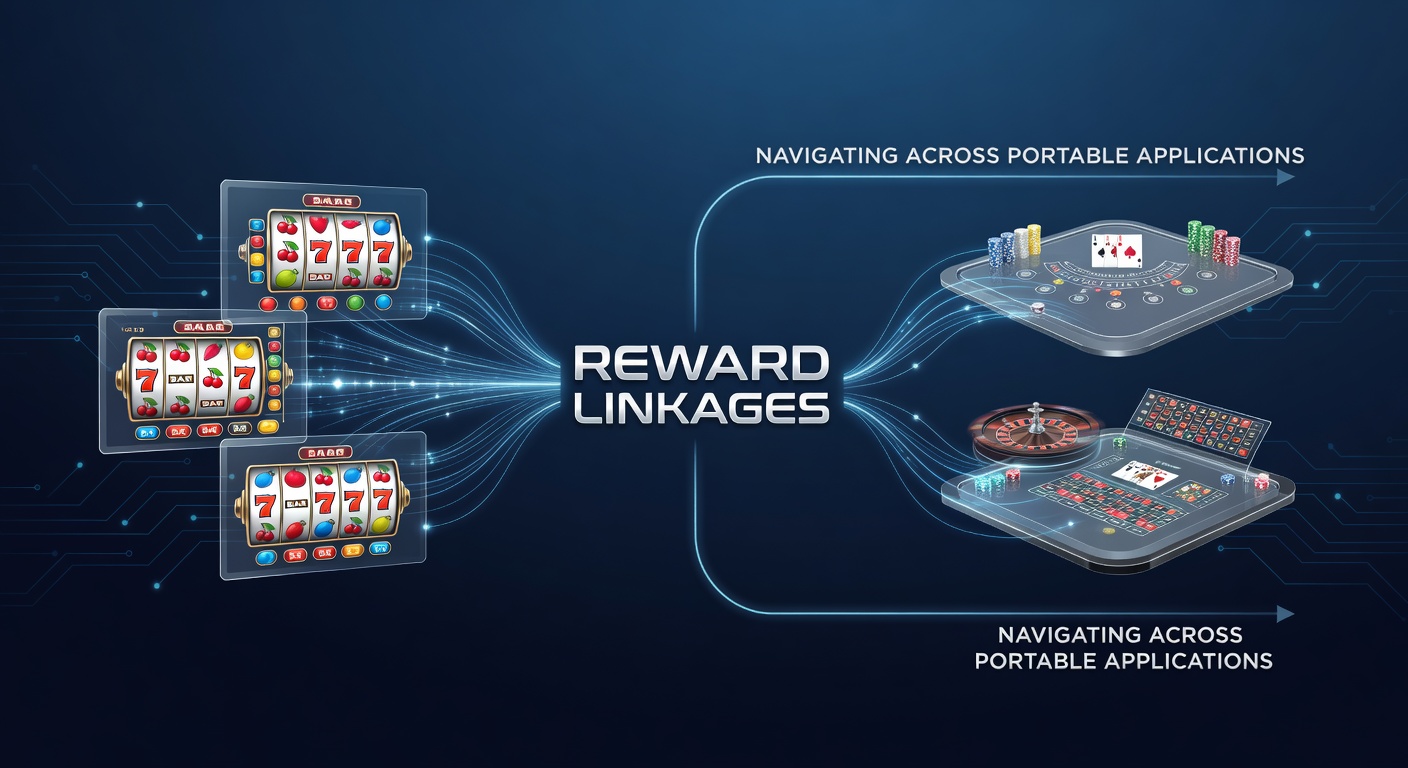
Portable gambling applications maintain structured reward systems that link automated reel mechanisms with real-time table engagements through sequential incentive pathways, and data from industry reports indicate these connections guide user progression across game categories. Operators design these linkages so that initial participation in slot-style reels activates bonus elements that carry forward into live dealer environments, creating continuous engagement cycles.
Mechanics of Automated Reel Systems in Mobile Environments
Automated reel systems operate through randomized number generators that determine symbol outcomes on virtual reels, and mobile platforms integrate these with layered reward structures where accumulated points or free activations convert into credits applicable across multiple game types. Regulatory filings from the Nevada Gaming Control Board show that such systems accounted for over 65 percent of mobile gambling activity in several jurisdictions during early 2026, with transitions to table formats occurring once players meet threshold requirements embedded in the app architecture.
Pathways Linking Reels to Real-Time Table Play
Real-time table engagements on mobile devices replicate physical casino interactions through live video streams and interactive interfaces, while reward linkages ensure that progress markers earned on reels, such as multiplier tokens or staged bonuses, apply directly to blackjack or roulette sessions. Research published by the University of Nevada Reno Gaming Research Center in June 2026 documented how these pathways operate via centralized player accounts that track and transfer value between game modules without requiring separate logins or additional deposits in many cases.
Observers note that mobile applications often embed conditional triggers where completing a set number of reel spins unlocks access codes for live tables, and this design maintains session continuity across different gameplay modes. Industry associations like the European Gaming and Betting Association report similar patterns in cross-border app data, where linkage features appear in over 80 percent of major platforms operating in multiple regions.
Role of Regulatory Frameworks in Shaping These Connections
Government agencies across different territories enforce rules on how rewards transfer between game types, and the Australian Communications and Media Authority updated its digital gambling guidelines in mid-2026 to require clearer disclosure of linkage mechanics in mobile applications. These updates address transparency around how reel-based incentives convert for table game use, ensuring users receive accurate information about eligibility and expiration timelines.
Canadian provincial regulators in Ontario have similarly tracked these systems through their iGaming Ontario oversight body, with figures revealing steady growth in linked reward usage throughout the first half of 2026. Such frameworks prevent isolated bonus systems and instead promote integrated experiences that span automated and interactive formats.
Technical Implementation of Reward Transfers
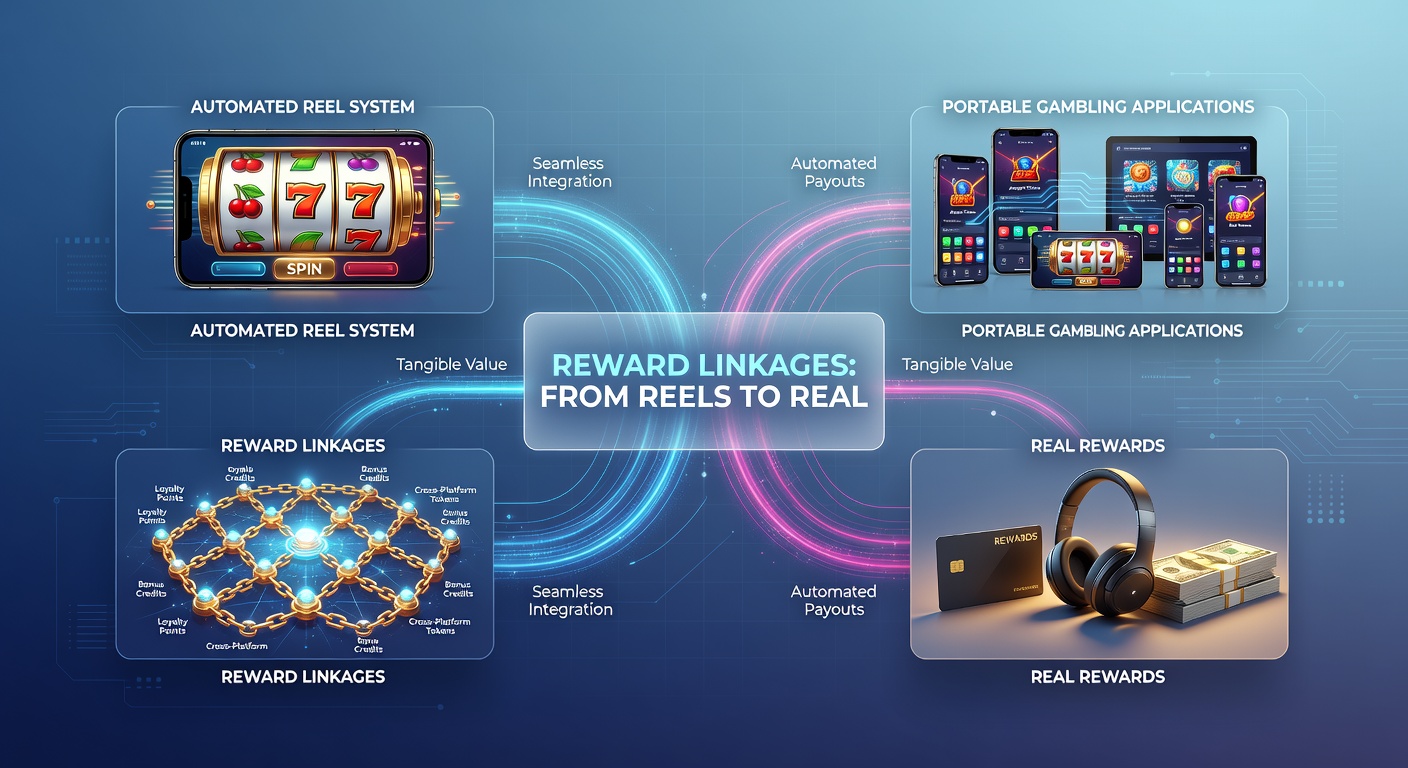
Developers implement reward linkages through backend databases that synchronize player profiles across reel and table modules, and this synchronization allows real-time updates when bonuses earned on one system activate in another. Case examples from platform operators demonstrate that users completing reel sequences often receive notifications directing them toward live sessions where those same rewards enhance table minimums or extend play duration.
Academic analyses from research institutions highlight that these technical bridges rely on secure API connections between game engines, reducing friction during transitions. Data collected through 2026 indicates higher retention rates when such linkages function seamlessly, as players maintain momentum without resetting progress indicators.
Examples of Cross-Format Incentive Structures
One documented approach involves tiered loyalty programs where reel activity contributes points that unlock live table privileges, such as priority seating in digital dealer rooms or enhanced payout multipliers during specific hours. Another structure uses progressive challenges that begin with reel targets and conclude with table game objectives, and regulatory reports confirm these models appear consistently across platforms serving North American and European markets.
What's interesting here is how mobile interfaces present these options through unified dashboards that display remaining requirements for reward activation, allowing users to monitor progress without switching applications. Industry data from trade groups shows this unified presentation correlates with increased cross-category participation during the reported periods.
Conclusion
Portable gambling applications continue to refine reward linkages that connect automated reel systems with real-time table engagements through integrated tracking and transfer mechanisms. Regulatory developments in multiple regions during 2026 have emphasized transparency and user clarity in these processes, while technical advancements support smoother transitions between formats. Observers continue to monitor how these systems evolve alongside platform updates and compliance requirements from bodies such as the Nevada Gaming Control Board and the Australian Communications and Media Authority.