State Licensing Rules Reshaping Reward Redemption in Digital Wheel and Card Platforms
Carlo Zimmermann · Jul 12, 2026
State Licensing Rules Reshaping Reward Redemption in Digital Wheel and Card Platforms
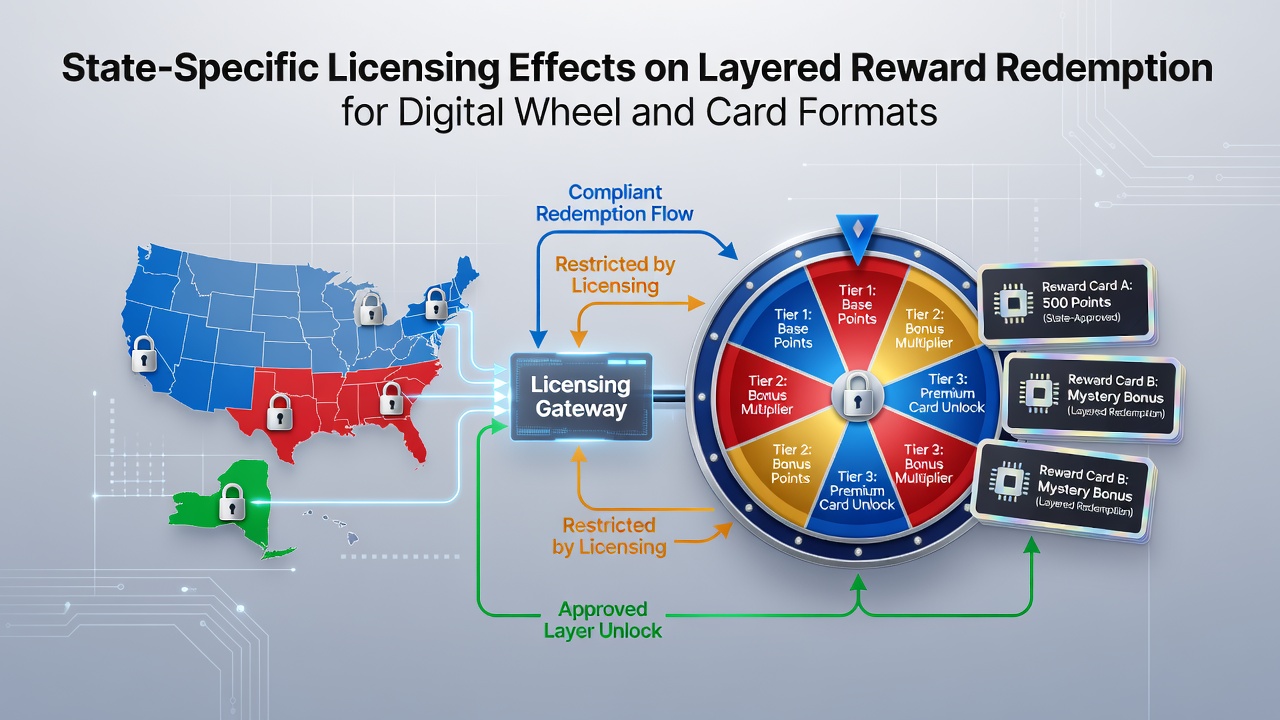
State-specific licensing frameworks create distinct pathways for how operators handle layered reward redemption across digital wheel formats like automated slots and roulette alongside card-based games such as blackjack and poker, with each jurisdiction imposing unique requirements that affect bonus stacking, conversion rates, and eligibility verification. Observers note that these variations stem from differing regulatory priorities around consumer protection, tax collection, and market access, leading platforms to tailor redemption mechanics accordingly while maintaining compliance across borders.
Core Licensing Structures and Their Influence
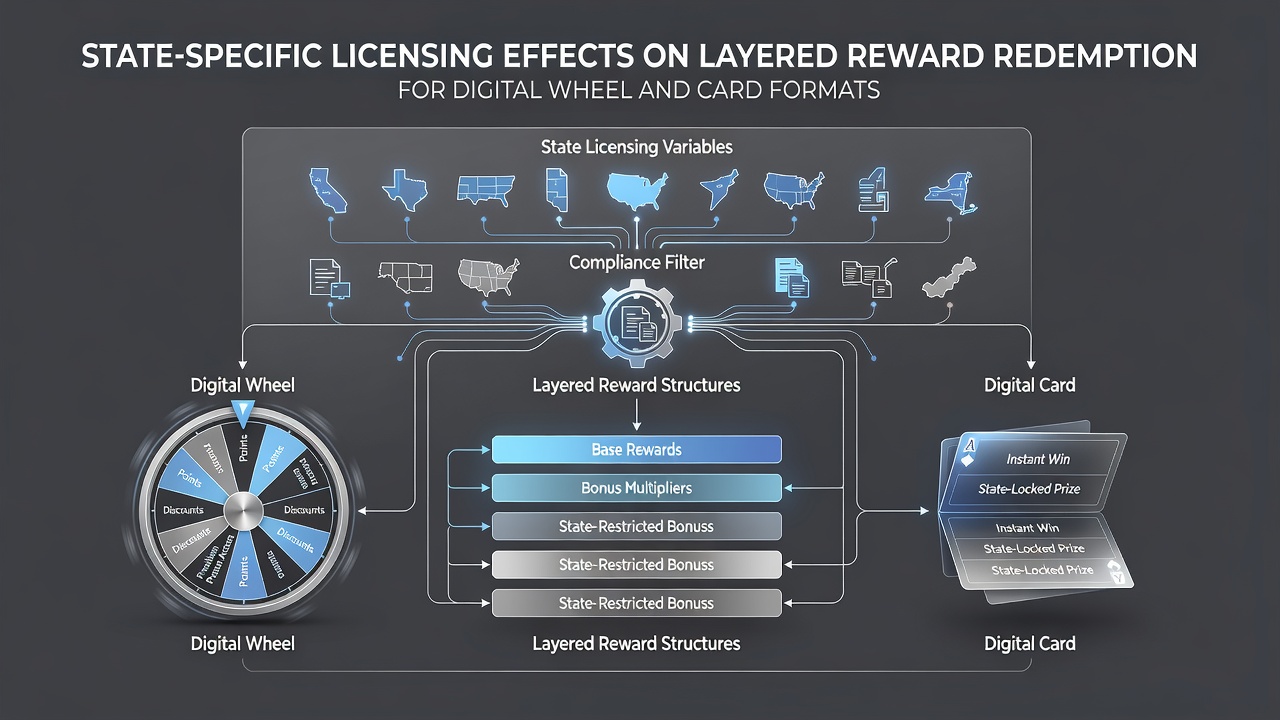
Regulatory bodies in key markets establish baseline rules that ripple through reward architectures, where layered systems often combine initial no-deposit incentives with deposit-matched offers and loyalty tiers that players unlock through wheel spins or card sessions. In states with mature frameworks, licensing demands detailed reporting on redemption volumes, which forces operators to segment rewards by format to avoid cross-contamination between wheel automation and live dealer interactions. Data from industry reports indicates these structures emerged prominently as more jurisdictions legalized online play, prompting companies to build modular systems that adapt to each license's stipulations on playthrough thresholds and game-type restrictions.
What's interesting here is how licensing directly dictates redemption timing and value caps, particularly when digital wheels feed into card formats or vice versa. Platforms must ensure that rewards earned in one category do not automatically transfer without meeting state-mandated audits, a process that varies sharply between regions with strict versus permissive oversight.
Regional Variations in Practice
Across different states, licensing bodies enforce distinct protocols that alter how layered rewards function in practice. For instance, jurisdictions emphasizing revenue tracking require granular logging of every redemption step, which slows processing for wheel-based bonuses but streamlines card game conversions under separate audit trails. Researchers at gaming analysis firms have documented cases where operators adjusted their systems mid-year to align with updated license conditions, particularly around July 2026 when several states rolled out enhanced digital verification standards for multi-format bonuses.
Take one operator managing platforms in multiple states who discovered that a single layered reward chain spanning wheel spins and card playthroughs needed separate approval workflows per license, preventing seamless transitions that worked in less regulated environments. This fragmentation encourages development of state-aware software that detects user location and applies the correct redemption rules automatically, reducing compliance risks while preserving player engagement across formats.
Effects on Wheel and Card Format Interactions
Licensing conditions frequently limit how rewards move between wheel and card environments, with some states prohibiting bonus funds from funding live dealer tables unless specific playthrough criteria are met first on automated wheels. According to figures from the New Jersey Division of Gaming Enforcement, these rules have led to measurable shifts in player behavior patterns, where participants complete wheel-based requirements before accessing card redemptions to stay within licensed boundaries. Platforms respond by designing sequential pathways that guide users through compliant sequences rather than allowing free-form exploration.
Yet operators in states with more flexible licensing find opportunities to layer rewards more aggressively, combining wheel spin multipliers directly with card game entry bonuses under unified tracking. Evidence suggests this flexibility stems from earlier legislative choices that prioritized market growth over granular controls, resulting in higher redemption volumes but also increased monitoring requirements from state agencies.
Emerging Compliance Trends
As additional states evaluate online gaming expansions, licensing applications increasingly reference integrated reward systems, pushing developers to embed jurisdiction-specific flags early in the coding process. Those who've studied these trends know that July 2026 brought renewed focus on cross-format auditing in several markets, compelling platforms to refine their layered redemption engines for better traceability between wheel automation and card sessions. Industry associations have compiled data showing that compliant operators experience fewer disruptions, whereas non-adaptive systems face temporary holds on bonus distributions until adjustments are verified.
One study revealed that states coordinating their licensing criteria with neighboring jurisdictions reduce administrative burdens for multi-state operators, allowing more consistent reward experiences without sacrificing local oversight. This coordination appears in updated guidelines that address redemption caps and verification methods, creating clearer expectations for how digital formats interact under layered incentives.
Conclusion
State licensing continues to define the operational boundaries for layered reward redemption in digital wheel and card formats, producing a patchwork of rules that operators navigate through customized platform features and ongoing compliance efforts. Data shows these effects manifest in everything from processing speeds to format-specific eligibility, with variations tied directly to each jurisdiction's regulatory history and priorities. As markets evolve, platforms that integrate licensing awareness into their core systems maintain smoother reward flows while meeting diverse state requirements across the landscape.