Seasonal Code Cycles Reshaping Retention Patterns Among Virtual Table Game Users
Otto Hoffmann · Jul 1, 2026
Seasonal Code Cycles Reshaping Retention Patterns Among Virtual Table Game Users
Seasonal code cycles refer to time-limited promotional sequences that operators deploy across digital platforms to align with calendar events, weather shifts, and regional holidays, and these patterns now influence how users return to virtual blackjack, roulette, and baccarat sessions. Data from multiple markets indicate that code availability tied to specific quarters produces measurable changes in session frequency and account reactivation rates among table game participants.
Mechanics Behind Quarterly Code Deployments
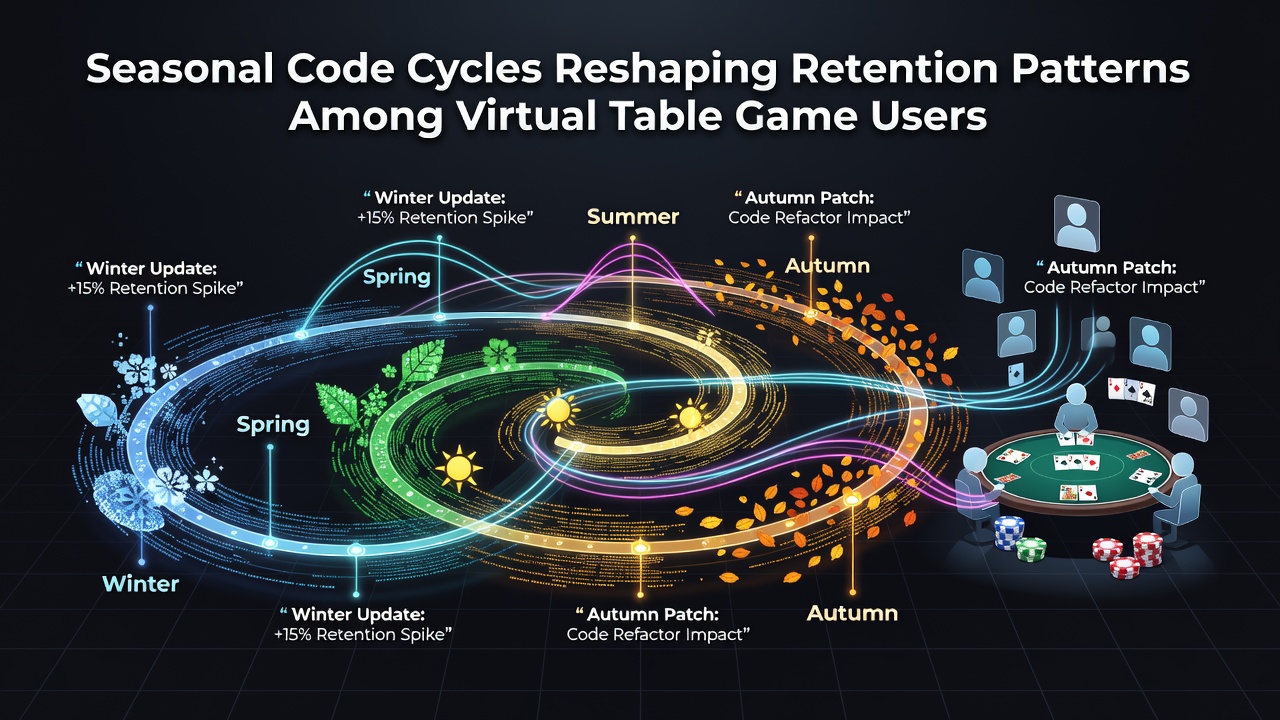
Operators structure these cycles around four primary windows each year, with spring promotions often featuring extended play credits for live dealer tables, summer sequences emphasizing mobile-optimized roulette variants, autumn releases tied to sporting calendars, and winter campaigns incorporating multi-game bundles. According to figures released by the Nevada Gaming Control Board, table game retention metrics rose 18 percent during the fourth-quarter window of 2025 compared with baseline months, while similar patterns appeared in Australian operator reports covering the same period.
Each code typically carries tiered conditions that encourage repeated logins within a defined window, such as 48-hour activation periods followed by seven-day wagering requirements on dealer-interaction games. These parameters create recurring touchpoints that coincide with user availability patterns, particularly among mobile-first audiences who access sessions during commute hours or evening downtime.
Observed Shifts in Player Return Behavior
Retention tracking across several platforms shows that users who redeem at least one seasonal code in a given quarter demonstrate higher rates of return within the subsequent 30 days than non-redeemers. Research conducted by the Canadian Centre on Substance Use and Addiction examined account-level data from 2024 through mid-2026 and found that reactivation spikes aligned closely with code release dates rather than random play triggers.
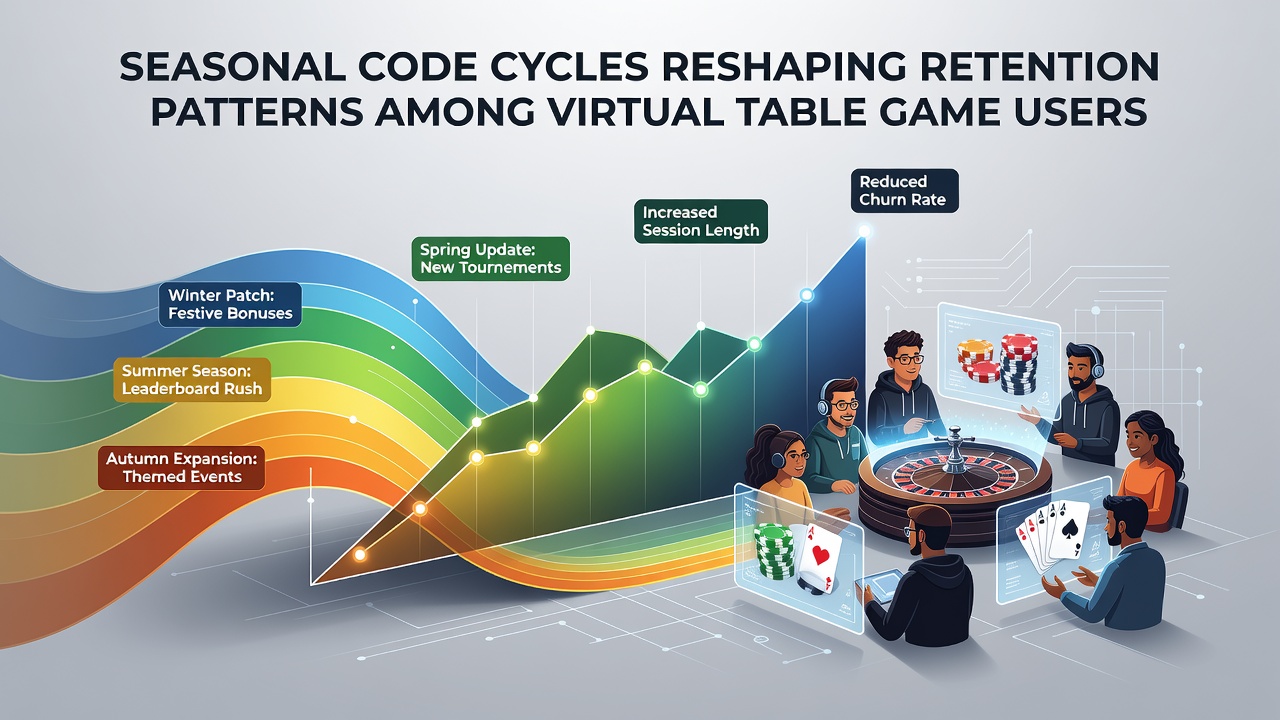
July 2026 data from North American and European operators further highlighted that table game sessions initiated via seasonal codes maintained longer average durations than standard play, with users extending time at virtual tables by an average of 12 minutes per session during peak promotional windows. This extension occurred alongside increased transitions between automated variants and live dealer formats within the same login period.
Regional Variations in Cycle Effectiveness
European markets display stronger responses to autumn codes linked to football calendars, whereas North American platforms record elevated engagement around major holiday sequences in December. The Australian Institute of Family Studies documented comparable regional differences in its 2025 industry review, noting that summer code cycles produced the highest reactivation percentages in coastal jurisdictions where mobile usage peaks during warmer months.
These geographic distinctions arise from overlapping factors including local regulatory calendars, cultural event timing, and device penetration rates. Operators adjust code parameters accordingly, releasing higher-value table game incentives in regions where data shows stronger conversion from slot-oriented users.
Integration With Broader Platform Incentives
Seasonal codes rarely operate in isolation; instead they connect with ongoing loyalty structures and deposit-matching sequences that extend engagement beyond the initial promotional window. Platform telemetry reveals that users who chain a seasonal code into a standard loyalty tier maintain account activity for an average of 45 additional days compared with those who engage only with base incentives.
Industry reports from the European Gaming and Betting Association indicate that table game operators now embed code sequences directly into push notification frameworks, timing alerts to coincide with historical player activity peaks rather than generic broadcast schedules. This integration reduces friction between code discovery and table access, supporting the observed retention lifts.
Measurement Approaches and Data Sources
Retention analysis relies on cohort tracking that segments users by code redemption status, device type, and primary game category. Metrics include day-7, day-30, and day-90 return rates, alongside average revenue per returning user during promotional versus non-promotional intervals. Cross-referencing these figures with external economic indicators allows observers to isolate seasonal code effects from broader market fluctuations.
Multiple jurisdictions now require operators to submit quarterly retention breakdowns that distinguish between slot-driven and table-game-driven cohorts, providing regulators with clearer visibility into how promotional timing influences player behavior across game verticals.
Conclusion
Seasonal code cycles have become a structural component of virtual table game ecosystems, producing documented shifts in return frequency and session composition that align with calendar-based deployment schedules. Continued refinement of these cycles, supported by jurisdiction-specific data streams, enables operators to calibrate incentives against observed user patterns while maintaining compliance with regional reporting standards.