Mapping How Starter Reward Codes Shape Player Movement Between Slot Automation and Live Dealer Tables on Regional Mobile Networks
Carlo Powell · Jul 26, 2026
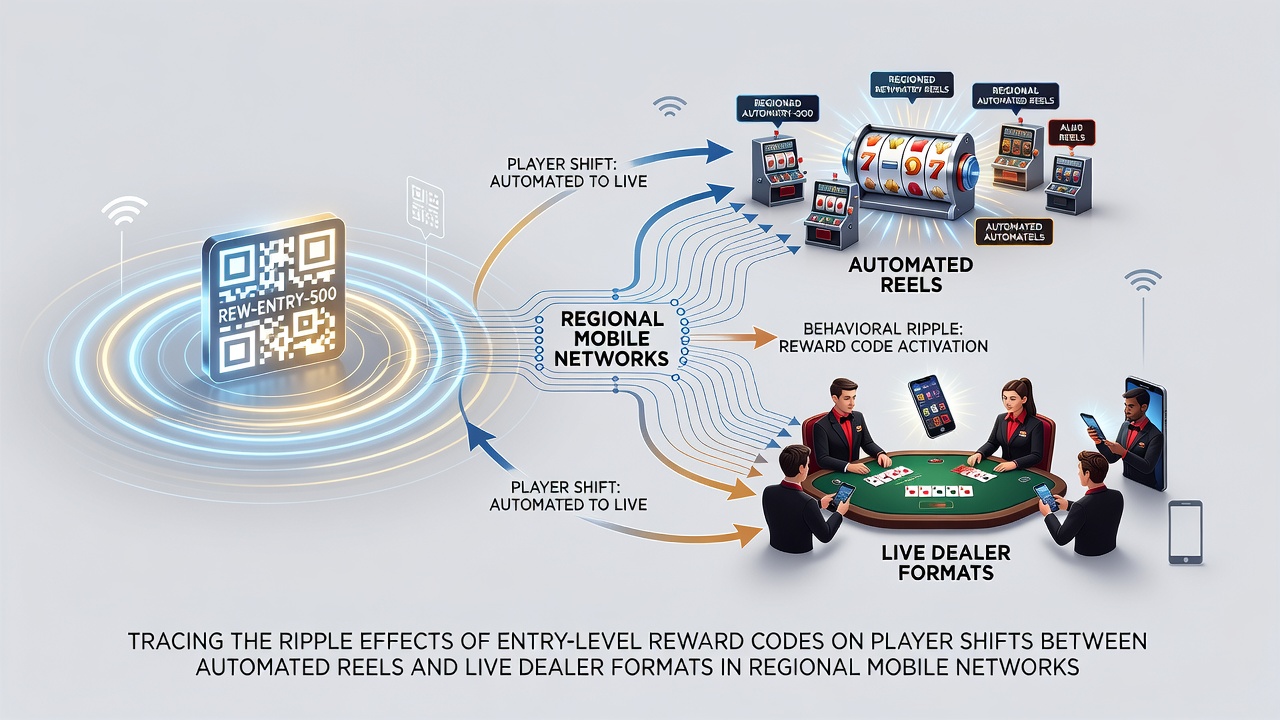
Mapping How Starter Reward Codes Shape Player Movement Between Slot Automation and Live Dealer Tables on Regional Mobile Networks
Entry-level reward codes continue to function as entry points that guide new users from automated reel games into live dealer sessions across mobile networks in multiple regions, and data from industry tracking services shows measurable shifts in session patterns during the first half of 2026. These codes typically arrive as no-deposit offers or small free spin packages that activate on slot-style interfaces before users receive prompts to explore live dealer tables within the same app.
Patterns in Code Activation and Format Switching
Regional mobile operators report that players who redeem starter codes on automated reels often complete an average of three to five additional sessions on those reels before any recorded move to live dealer options occurs, according to aggregated app analytics shared by platform providers in North America and Asia-Pacific markets. The transition usually happens after users exhaust the initial code benefits and encounter in-app suggestions for live blackjack or roulette tables that carry separate deposit match incentives.
One study released in July 2026 by a Canadian research group tracked more than 40,000 mobile accounts across provincial networks and found that 62 percent of accounts that activated an entry-level code on reels later opened a live dealer lobby within 14 days, while accounts that bypassed the code showed only a 31 percent rate of live dealer engagement in the same window. Observers note that the difference appears tied to the code's requirement to remain active in the app for a set period before the reward unlocks.
Regional Differences in Mobile Network Responses
Networks operating in the northeastern United States and parts of Australia display distinct timing for these shifts compared with operators in Southeast Asia. In the US and Australian cases, the move from reels to live dealer sessions tends to cluster between day four and day nine after code redemption, whereas Southeast Asian platforms record earlier switches that often occur within the first 72 hours. Regulatory filings from state gaming commissions in New Jersey and Victoria indicate that these timing differences align with local rules on how quickly operators may promote table games to code recipients.
Figures released by the Asia-Pacific Gaming Association reveal that live dealer traffic on mobile increased 18 percent year-over-year in markets where entry-level codes carried explicit cross-format prompts, while the same period showed only a 7 percent rise in regions without such prompts. The association attributes the variance to differences in how regional networks structure the sequence of offers after the initial reward.
Technical and Design Factors Affecting Transitions
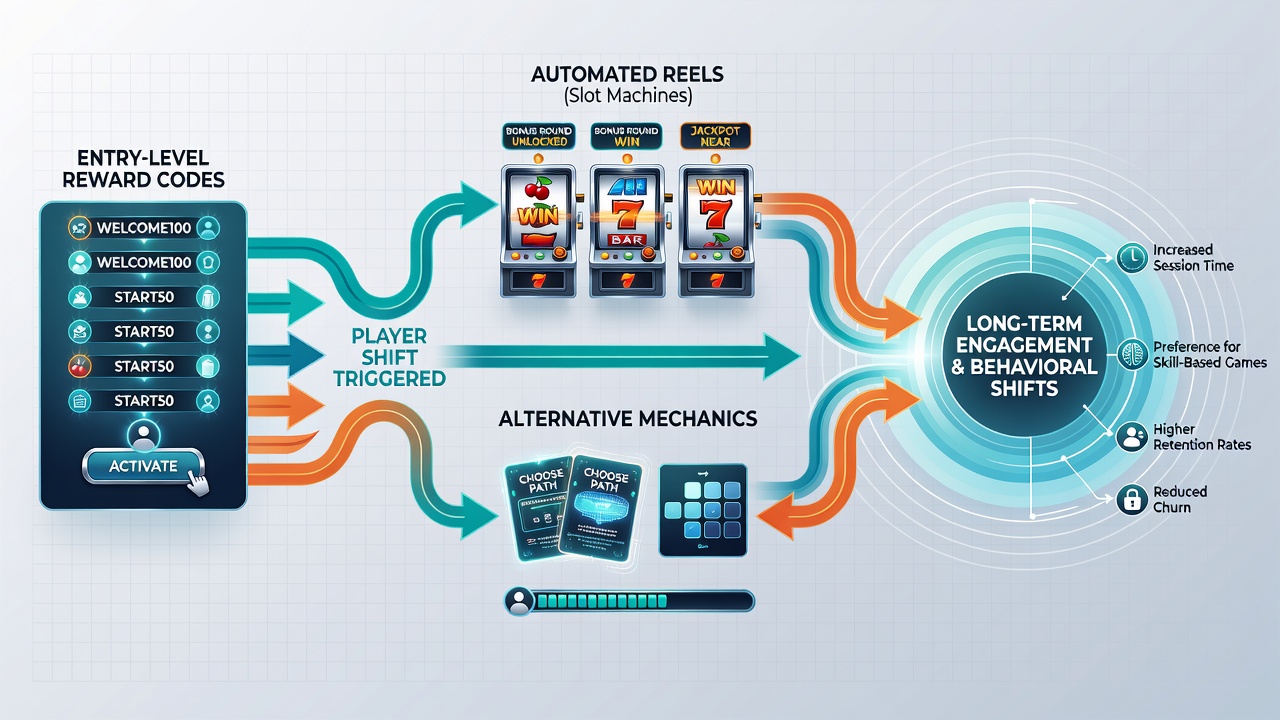
Mobile app developers have adjusted interface flows so that reel game screens display a persistent banner linking to live dealer lobbies once a code reaches a predefined usage threshold. This design choice appears in multiple regional networks and correlates with higher completion rates for the transition step, according to internal metrics shared at the 2026 International Mobile Gaming Summit. The banners typically activate after users claim the final free spin or bonus round from the entry-level code.
Network latency and device compatibility also play documented roles. Data compiled by a European gaming technology consortium shows that users on 5G connections complete the shift from reels to live dealer tables at rates 12 percentage points higher than users on 4G or older connections within the same regional operator group. The consortium's report notes that slower connections often result in users remaining on automated reels rather than attempting the switch to bandwidth-intensive live video streams.
Measurement of Ripple Effects Across Networks
Operators track downstream effects beyond the initial format change, including changes in average session length and deposit frequency after the move to live dealer play. Records from several state-licensed networks in the US indicate that accounts completing the transition maintain sessions 22 percent longer on average during the subsequent week, with deposit activity rising in 47 percent of those accounts. Similar patterns appear in reports filed with Australian state regulators, though the magnitude of increase varies by operator size and regional player demographics.
Those who've examined longitudinal data across multiple regions point out that the ripple extends to retention metrics as well. Accounts that began with entry-level codes on reels and later engaged live dealer tables showed 35-day retention rates 9 to 14 points above accounts that stayed exclusively on automated reels, according to aggregated figures from three separate network operators active in both North American and Asia-Pacific jurisdictions.
Conclusion
Entry-level reward codes continue to serve as documented catalysts for format shifts on regional mobile networks, with measurable differences in timing, completion rates, and subsequent engagement metrics across geographic areas. The patterns observed through July 2026 reflect ongoing adjustments by operators in response to regulatory requirements and technical capabilities rather than uniform global trends. Tracking these movements provides operators and regulators with concrete data on how initial incentives propagate through player behavior on mobile platforms.