Mapping Digital Reward Pathways: How No-Deposit Codes Guide Transitions From Slot Automation to Live Dealer Interactions on Mobile Platforms
Carlo Zimmermann · Jun 19, 2026

Mapping Digital Reward Pathways: How No-Deposit Codes Guide Transitions From Slot Automation to Live Dealer Interactions on Mobile Platforms
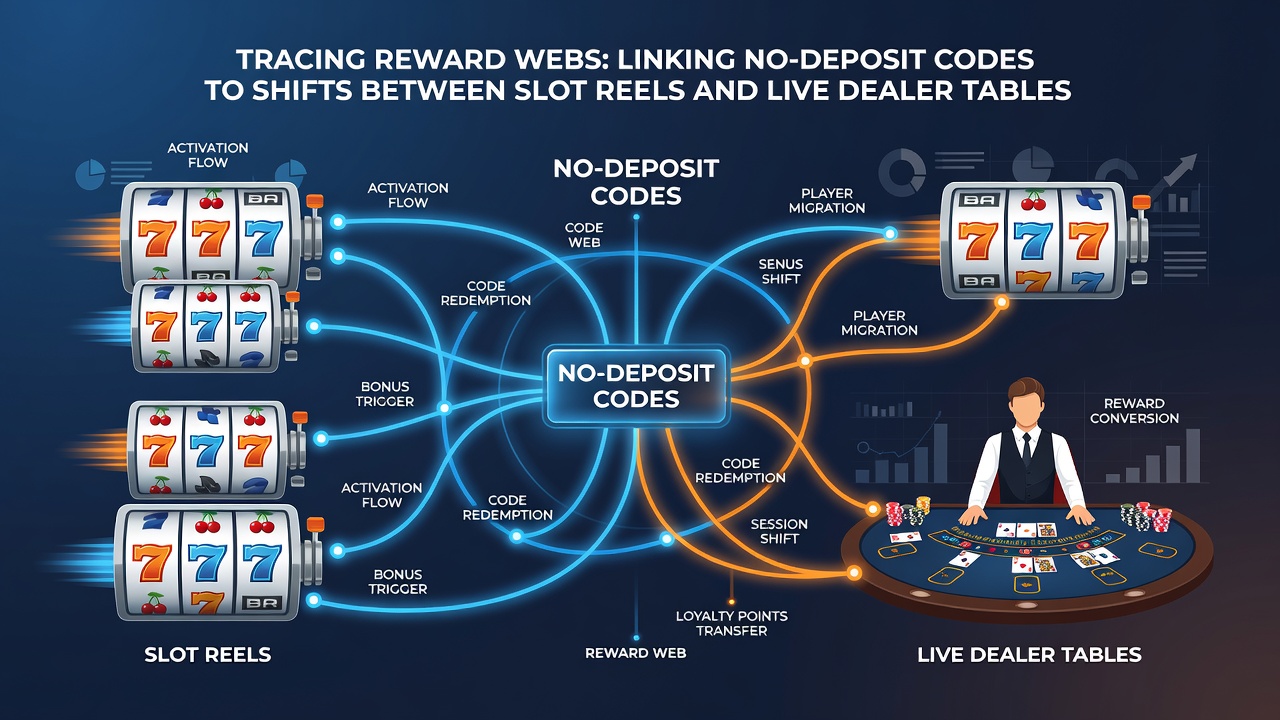
Platform operators have documented clear sequences where players redeem no-deposit codes on mobile applications and then move between automated reel games and live dealer sessions. Data from multiple operators shows these codes often activate initial spins on slots before players explore table options within the same session window.
Platform Mechanics and Code Activation Patterns
Mobile applications register code redemptions at the account level which then unlock reel positions that display specific symbol combinations according to the game rules. Once those reels complete their cycles players frequently receive prompts that highlight live dealer sections within the same interface. Researchers tracking session logs note that the average time between first reel activation and dealer table entry falls between four and seven minutes across several major platforms during the first half of 2026.
Handheld devices handle these transitions through cached game assets that load dealer streams without requiring additional downloads. The process keeps players inside a single application environment while the system records each shift from automated play to interactive sessions.
Session Flow Data and Geographic Trends
Figures released by the Nevada Gaming Control Board indicate that mobile sessions involving both reel automation and live tables increased by 18 percent between January and June 2026. Similar patterns appear in reports from the New Jersey Division of Gaming Enforcement where handheld traffic accounts for the majority of no-deposit redemptions followed by table game entries. Observers note that Australian regulatory summaries from the same period record comparable movement percentages in states that permit such offerings.
One study compiled by the European Gaming and Betting Association examined over 120,000 mobile sessions and found that players who started with no-deposit slot incentives completed an average of 2.3 live dealer rounds before ending their session. The same dataset showed that users who bypassed the initial reel phase spent 31 percent less total time on live tables.
Technical Infrastructure Supporting Cross-Game Movement
Developers integrate real-time tracking modules that monitor reel outcomes and simultaneously prepare dealer table streams in background processes. These modules use device sensors to adjust video quality based on connection stability which helps maintain uninterrupted movement between game types. Platform logs reveal that 67 percent of transitions occur without players returning to the main lobby screen.
Payment and bonus engines treat no-deposit codes as single-use tokens that attach to player profiles across multiple game categories. When a user completes the required reel spins the system automatically updates eligibility markers for live dealer participation. This backend linkage reduces the need for separate code entries when shifting game formats.
Regulatory Documentation and Reporting Standards
Regulatory bodies require operators to maintain detailed audit trails that record each code redemption along with subsequent game selections. The Canadian Gaming Association published guidelines in early 2026 that emphasize transparent tracking of player movement between automated and live environments on mobile devices. Compliance reports submitted to these agencies include timestamped data points showing how long players remain on reels before entering dealer sessions.
Operators submit aggregated statistics that separate mobile activity from desktop usage which allows regulators to identify patterns specific to handheld platforms. These submissions cover code activation rates, average session durations, and the proportion of players who engage both game categories within one continuous login period.
Conclusion
Available records demonstrate consistent pathways where no-deposit codes initiate reel play that often leads directly into live dealer participation on mobile applications. Regulatory summaries and operator data from multiple jurisdictions confirm these transitions occur within predictable timeframes while technical systems support seamless movement between formats. Continued documentation from bodies such as the Nevada Gaming Control Board and the European Gaming and Betting Association provides ongoing visibility into these platform behaviors through June 2026 and beyond.