Loyalty Tiers and Their Role in Shifting Incentives from Automated Slots to Live Dealer Tables
Carlo Powell · Jul 24, 2026
Loyalty Tiers and Their Role in Shifting Incentives from Automated Slots to Live Dealer Tables
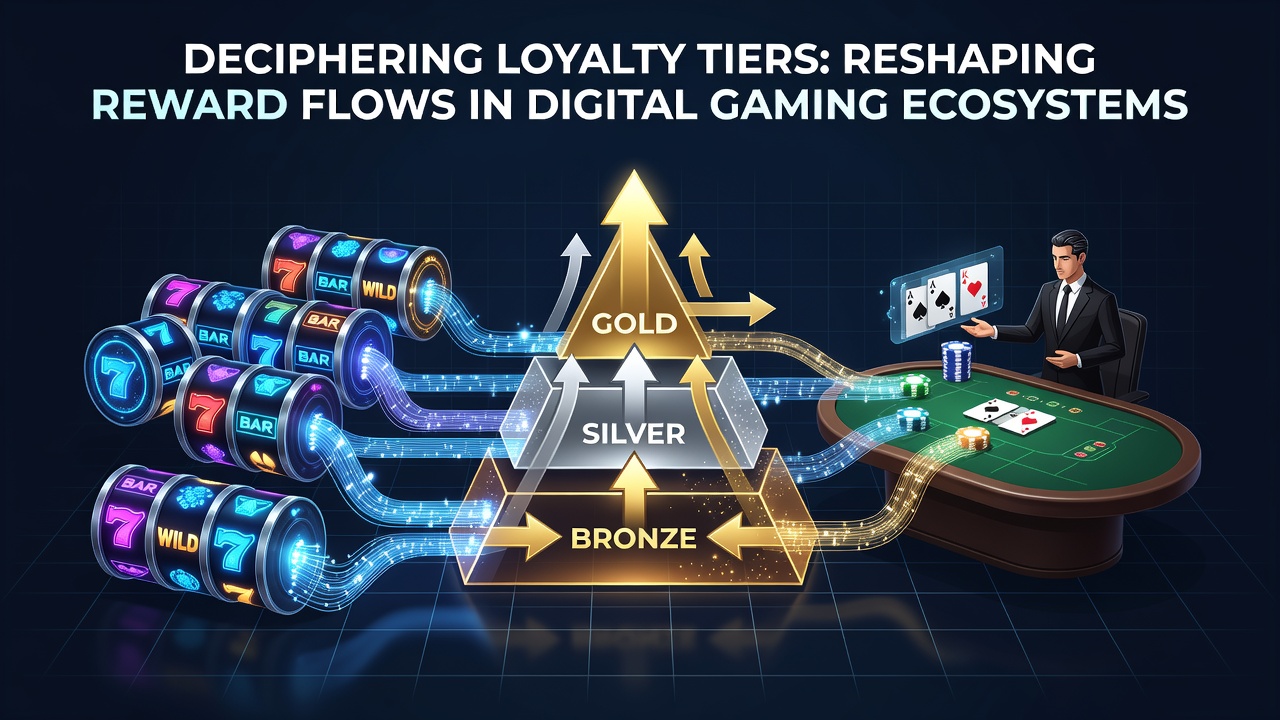
Digital gaming platforms structure loyalty programs around tiered levels that allocate points and rewards differently depending on whether players engage automated reels or interactive dealer tables, and these structures have evolved to guide player movement across both formats. Operators track activity through unified accounts that convert spins on slots and wagers at live tables into tier points at varying rates, which then unlock benefits such as cashback percentages, free play credits, and personalized table invitations.
Data from multiple jurisdictions shows that higher tiers often apply accelerated multipliers to live dealer wagers compared with slot play, yet entry-level tiers frequently emphasize slot volume to build initial status. This creates measurable pathways where players accumulate base points on reels before qualifying for table-specific perks that retain them in live environments.
Tier Mechanics Across Game Categories
Most platforms assign point values per dollar wagered, yet the conversion rates diverge by product type because slot sessions generate higher volume while live tables produce slower but larger average bets. Observers note that silver or bronze tiers typically award one point per dollar on reels and two points per dollar at tables, whereas gold and platinum tiers reverse or equalize those ratios to encourage cross-format engagement.
July 2026 figures released by the Nevada Gaming Control Board indicated that operators with integrated loyalty systems recorded a 14 percent increase in player transitions from slots to live tables after tier thresholds were adjusted to credit table play at higher rates. Similar patterns appear in data from the New Jersey Division of Gaming Enforcement, where multi-tier programs correlated with longer session durations once players reached mid-level status.
Reward Flow Adjustments at Each Level
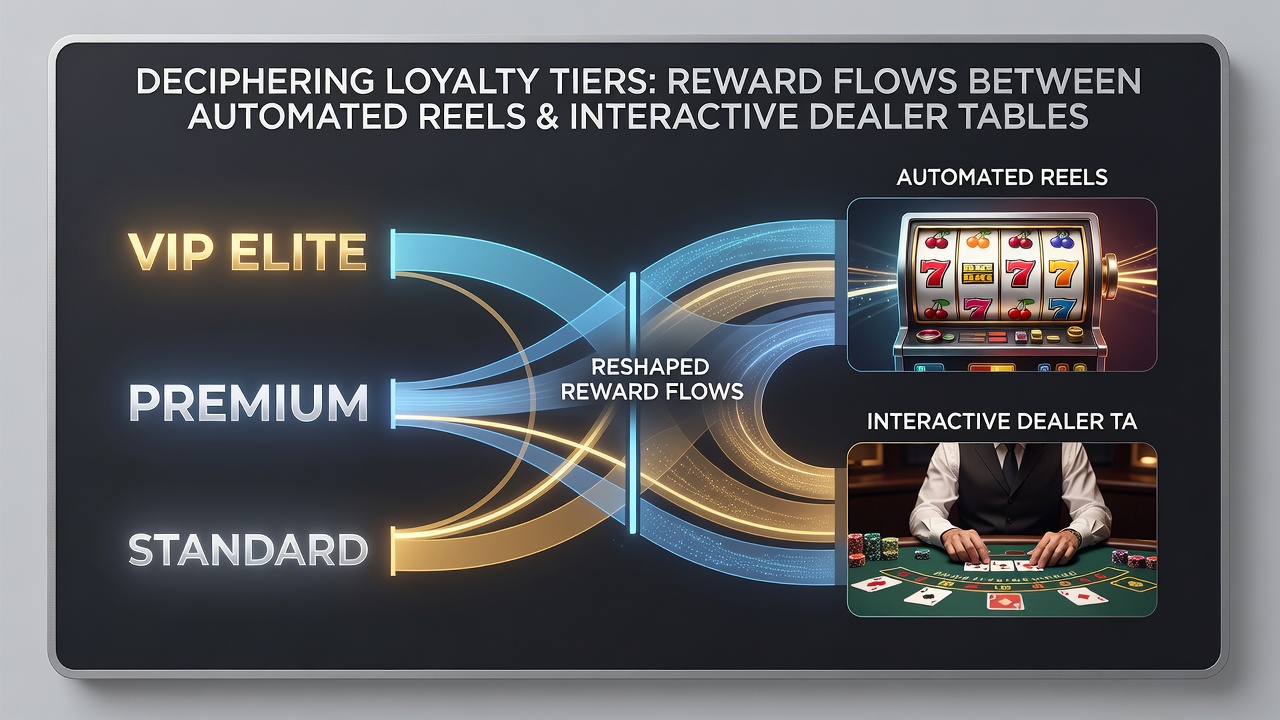
Entry tiers focus on volume accumulation through automated reels, delivering free spins and reload credits that keep players inside slot ecosystems until they reach the next threshold. Mid tiers introduce hybrid rewards such as table game vouchers or reduced rake that pull participants toward dealer interactions while still offering reel bonuses as retention tools.
Top tiers shift reward emphasis almost entirely toward live dealer experiences, granting priority seating, dedicated hosts, and exclusive tournament access that rarely appear in slot promotions. These changes redirect spending patterns because players at higher status receive greater effective return on table wagers than on equivalent slot volume.
Player Movement Patterns Documented in 2026
Research from the American Gaming Association tracks how tier resets and bonus calendars influence seasonal movement between formats. Reports covering the first half of 2026 show that players who reach gold status through slot play maintain 62 percent of subsequent activity at live tables when those tables offer tier-matched cashback rates above 1.5 percent.
Platform analytics further reveal that once players unlock platinum benefits, average wager size at dealer tables rises while slot coin-in per session declines, indicating that loyalty structures successfully channel higher-value activity toward interactive products. Yet many operators maintain slot-heavy lower tiers because reel automation supports faster point collection for new accounts.
Regional Regulatory Context and Industry Standards
Regulators in multiple markets require transparency around point valuation and redemption rates, which has prompted operators to publish tier matrices that detail how rewards flow between game types. The Australian Communications and Media Authority requires clear disclosure of any differential treatment between automated and live products, while the Gaming Control Board of Nevada monitors whether tier benefits create unintended concentration of play among high-tier accounts.
Industry groups such as the European Gaming and Betting Association have compiled comparative studies showing that unified loyalty systems across mobile and desktop platforms increase cross-format retention by measurable margins when points remain portable between reels and tables.
Conclusion
Loyalty tier architecture continues to shape how rewards move between automated reels and interactive dealer tables as operators refine point rates and benefit structures to balance acquisition through slots with retention at live tables. Available data from 2026 demonstrates that these adjustments produce measurable shifts in player behavior across digital ecosystems, with higher tiers directing greater value toward table interactions while lower tiers sustain volume on reels. Regulatory oversight in key jurisdictions ensures these flows remain documented and accessible to participants.