Exploring Incentive Pathways: How Deposit-Free Rewards Guide Transitions Between Reel Spins and Dealer Interactions on Handheld Devices
Otto Hoffmann · May 20, 2026
Exploring Incentive Pathways: How Deposit-Free Rewards Guide Transitions Between Reel Spins and Dealer Interactions on Handheld Devices
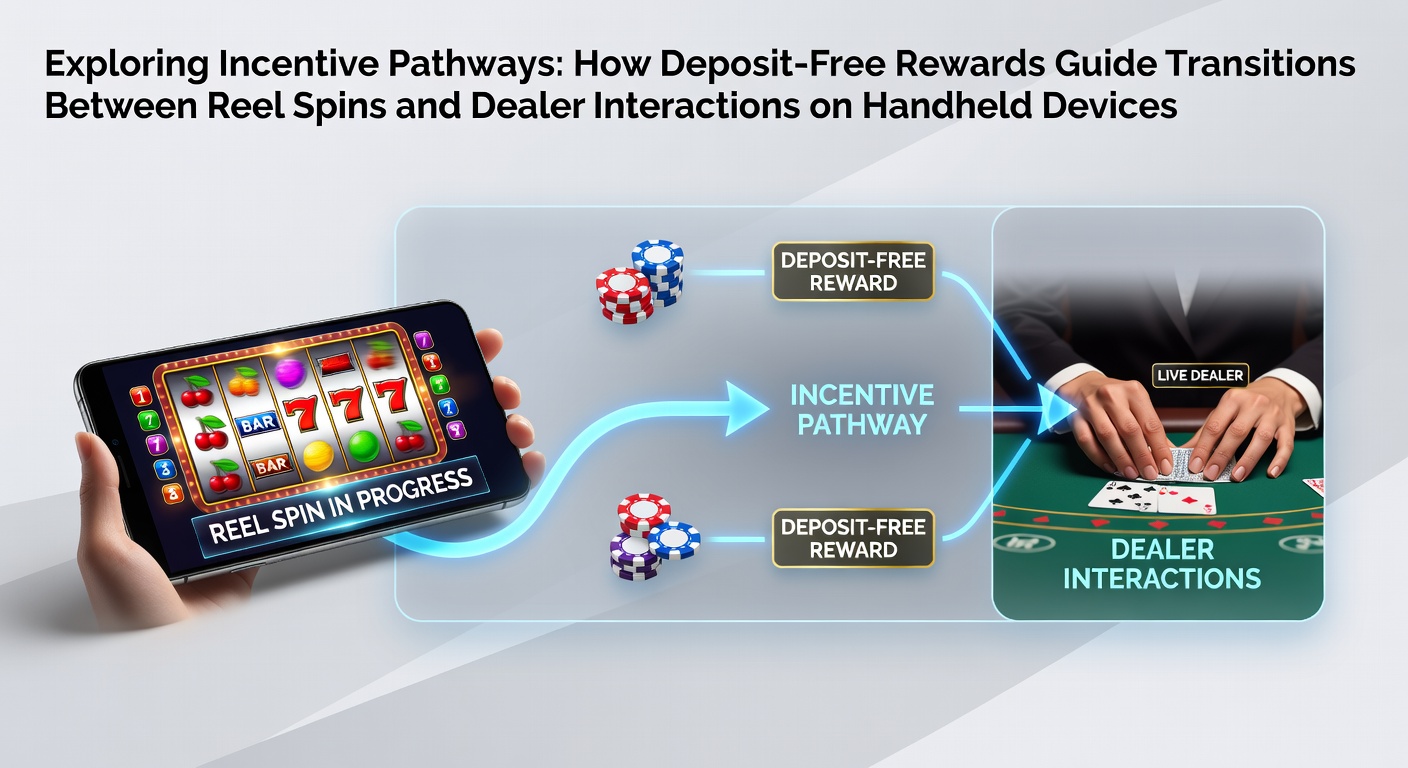
Platforms on handheld devices have developed structured incentive systems that use deposit-free rewards to move players from automated reel spins into interactive dealer sessions, and these pathways have gained traction as mobile usage continues to expand through 2026.
Mechanics of Deposit-Free Rewards on Mobile Platforms
Deposit-free rewards typically appear as credited spins or table credits that players receive after account verification, and these offers function without requiring an initial financial commitment while still directing activity toward specific game categories. Research from industry analysts shows that operators structure these incentives with progressive triggers so that completion of reel-based activities unlocks access to live dealer environments on the same device.
Observers note that the design often includes clear progression markers visible on screen, which encourage users to shift from solitary slot sessions to real-time interactions with dealers once certain play thresholds are met. Data collected across multiple operators indicates that such sequenced rewards maintain player engagement across both game types without separate sign-ups or app switches.
Transition Patterns Between Reel Spins and Live Dealer Sessions
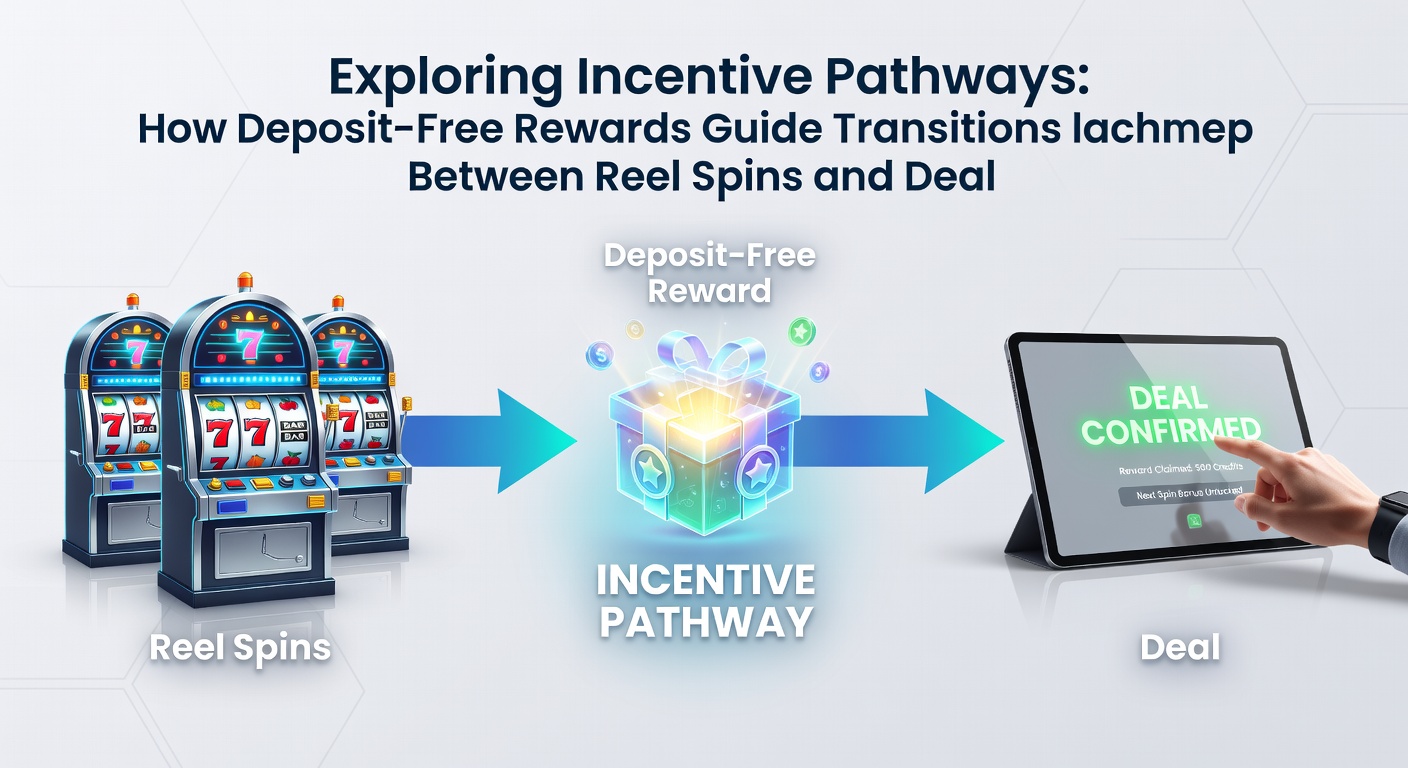
Transitions occur when reward systems link slot outcomes directly to live game eligibility, and this connection allows players to move seamlessly from spinning reels on portable screens to joining video streams with human dealers. Figures released in early 2026 revealed that a notable portion of mobile sessions now begin with no-deposit slot credits before shifting into blackjack or roulette tables within the same hour.
Those who track player behavior across regions report that handheld interfaces simplify these shifts through unified wallets and instant balance updates, which reduce friction when players decide to explore dealer-led games after initial reel play. In May 2026, regulatory updates in several jurisdictions began requiring clearer disclosure of these transition mechanics to ensure users understand how rewards connect different game formats.
Regional Regulatory Context and Industry Data
Government agencies in Canada have documented rising mobile participation rates tied to structured incentive programs, while the Victorian Responsible Gambling Foundation in Australia published reports examining how no-deposit offers influence movement between game categories on smartphones and tablets. These sources highlight that transitions remain most common when operators present both reel and dealer options within a single application interface.
Academic studies from European research institutions have examined session logs to measure average time spent on each game type after reward activation, and the resulting data shows measurable increases in cross-format play when progression incentives are present. Industry organizations such as the American Gaming Association have compiled statistics indicating that operators continue refining these pathways to align with evolving mobile hardware capabilities and user habits observed through 2026.
Technical Implementation on Handheld Devices
Developers integrate reward tracking directly into app architectures so that progress from reel spins registers automatically and triggers live dealer prompts without additional downloads. This technical linkage relies on real-time server communication that updates available game modes based on completed activities, and users often encounter visual cues that guide them toward dealer tables once reel-based rewards are exhausted.
Platform logs examined by analysts demonstrate that such systems reduce drop-off rates during game switches, because players remain within the same session environment rather than navigating separate menus. The approach has become more prevalent as device processors and network speeds allow simultaneous handling of animated reels and streaming dealer feeds on a single screen.
Conclusion
Deposit-free reward structures continue to shape how players move between reel spins and dealer interactions on handheld devices, supported by technical integration, regulatory attention, and documented usage patterns through mid-2026. Available data from multiple regions confirms that these pathways operate as deliberate design choices rather than random occurrences, and ongoing refinements reflect both operator strategies and external oversight requirements.